

ir reflective glass
Understanding the Pricing of 150mm Gate Valves Gate valves are crucial components in various industrial systems, serving as on/off switches for fluid flow. Primarily used in water supply, wastewater management, and other fluid transport applications, gate valves are favored for their ability to provide a straight-line flow with minimal obstruction. Among the different sizes, the 150mm (6-inch) gate valve stands out as a popular choice due to its balance between size, flow capacity, and functionality. This article will explore the factors influencing the price of 150mm gate valves and provide insights for potential buyers. Why Choose a 150mm Gate Valve? The 150mm gate valve is commonly used in applications requiring substantial flow control. Its size allows for efficient flow rates, making it ideal for pipelines in municipal water systems, irrigation projects, and industrial applications where large volumes of fluids need to be managed. Unlike other valve types, gate valves are designed to be fully open or fully closed, minimizing resistance to flow in the fully opened position. This design not only contributes to reduced energy costs but also enhances the overall efficiency of the system. Factors Influencing the Price 1. Material of Construction The price of a 150mm gate valve is heavily influenced by the materials used in its construction. Common materials include cast iron, ductile iron, stainless steel, and bronze. For example, cast iron valves are generally more affordable but may not be suitable for highly corrosive environments, where stainless steel valves become necessary. Consequently, the material choice significantly impacts pricing. 2. Valves Design and Standards Gate valves can come in various designs—rising stem, non-rising stem, and different sealing methods, such as soft-seated or metal-seated designs. Valves manufactured according to specific industry standards (like API, ASME, or AWWA) may also command higher prices due to the additional rigor in quality assurance and testing. 3. Manufacturer Reputation The reputation of the valve manufacturer plays a significant role in pricing. Established brands known for reliability and performance may charge a premium, while less well-known manufacturers might offer competitive prices. Investing in a reputable manufacturer can lead to better performance, longevity, and support, which may justify a higher initial cost. 150mm gate valve price 4. Operating Pressure and Accessories The maximum operating pressure that a gate valve can handle will also influence its cost. Valves designed for higher pressure systems often incorporate more robust materials and engineering, raising the price. Additionally, features such as gear operators, electric actuators, or other automation technologies can further increase costs. 5. Market Conditions and Geographic Location Prices can vary depending on market demand and supply conditions, which may fluctuate based on economic factors, availability of raw materials, and overall market trends. Geographic location can also affect pricing due to transportation costs and regional demands. 6. Customizations and Special Features If specific customizations are needed—such as unique sizes, coatings, or material combinations—these can contribute to higher costs. Custom designs often require additional engineering and testing, which are reflected in the final price. Average Pricing While the price of a 150mm gate valve can vary significantly, a general range can be expected. Basic models made from cast iron or ductile iron typically start at around $200 to $400. Mid-range options featuring better materials and additional features can reach prices between $500 and $800. Premium brands or specialized designs may exceed $1000. Conclusion When considering the purchase of a 150mm gate valve, understanding the various factors influencing its price is essential. Buyers should evaluate their specific needs, such as material requirements, pressure ratings, and environmental conditions. While it can be tempting to go for the lowest-priced option, investing in a quality valve from a reputable manufacturer could lead to long-term savings by minimizing maintenance costs and ensuring reliability. By carefully analyzing the available options, purchasers can make informed decisions that align with their project requirements and budget constraints.
about
ir reflective glass
In precision machining, ensuring the accuracy of threaded components is critical to maintaining product quality and functionality. Threaded ring gauges are indispensable tools for verifying the dimensional correctness of external threads, such as those on bolts, screws, and studs. Understanding tolerance grades—the permissible limits of variation in thread dimensions—is essential for machinists to meet industry standards and deliver reliable parts. This article explores the use of thread gauge tools, the role of threaded ring gauge systems, adherence to thread ring gauge standard specifications, and the advantages of adjustable thread gauge designs. By the end, machinists will gain actionable insights into selecting and applying these tools effectively. The Essential Use of Thread Gauge in Precision Machining The use of thread gauge tools is foundational to quality control in manufacturing. These gauges verify that threads conform to specified tolerances, ensuring compatibility with mating components. For external threads, a threaded ring gauge acts as a “go/no-go” device: if the threaded part passes smoothly through the “go” gauge but stops at the “no-go” gauge, the thread is within acceptable limits. Tolerance grades, defined by standards like ISO (International Organization for Standardization) and ASME (American Society of Mechanical Engineers), dictate how much deviation is permissible. For example, a Grade 6H threaded ring gauge might be used for general-purpose applications, while a tighter Grade 4H could be reserved for high-precision aerospace components. Machinists must match the gauge’s tolerance grade to the part’s intended function to avoid over- or under-engineering. Proper use of thread gauge tools also requires attention to environmental factors. Temperature fluctuations, debris, or wear on the gauge can skew measurements. Regular calibration against master gauges ensures long-term accuracy. Threaded Ring Gauge and Its Role in Tolerance Verification A threaded ring gauge is a cylindrical tool with internal threads machined to precise dimensions. It serves as a physical reference to validate the pitch diameter, thread angle, and pitch of external threads. Tolerance grades for these gauges are classified using alphanumeric codes (e.g., 6H, 4G), where the number indicates the tolerance level and the letter specifies the fundamental deviation (allowance). For instance, a threaded ring gauge labeled 6H has a medium tolerance grade suitable for most industrial applications. In contrast, a 4H gauge offers tighter tolerances for critical components. Machinists must select the grade based on the part’s design requirements. Over-tightening tolerances can increase production costs, while overly lenient grades risk part failure. The design of a threaded ring gauge also matters. Hardened steel construction ensures durability, while chrome plating reduces wear. Some gauges feature a notch or marking to distinguish “go” from “no-go” sections, streamlining inspections on the shop floor. Adhering to Thread Ring Gauge Standard Specifications Compliance with thread ring gauge standard protocols is non-negotiable in regulated industries. Standards like ISO 1502 (general metric threads) and ASME B1.2 (UNJ threads) define gauge dimensions, tolerance grades, and inspection methods. These specifications ensure uniformity across suppliers and guarantee global interoperability of threaded parts. A thread ring gauge standard typically mandates: Material properties: Gauges must resist deformation and wear. Dimensional accuracy: Pitch diameter deviations must fall within micron-level ranges. Marking requirements: Clear identification of tolerance grade and thread type. Manufacturers producing threaded ring gauges in bulk must rigorously test samples against certified master gauges. Statistical process control (SPC) methods help maintain consistency across large batches. Deviations from thread ring gauge standard guidelines can lead to rejected parts, production delays, or even safety recalls. Advantages of an Adjustable Thread Gauge for Flexible Applications While fixed threaded ring gauges are common, an adjustable thread gauge offers unique benefits. These gauges feature a mechanism (e.g., a split design with a screw adjustment) that allows machinists to fine-tune the internal thread dimensions. This flexibility is invaluable for prototyping or low-volume production runs where multiple tolerance grades might be needed. An adjustable thread gauge can mimic various tolerance grades by altering the pitch diameter. For example, adjusting the gauge to a tighter setting simulates a higher-grade (e.g., 4H) inspection without requiring multiple fixed gauges. However, adjustability introduces complexity: users must ensure the gauge remains locked during measurements to prevent drift. Despite this, the adjustable thread gauge is cost-effective for workshops handling diverse projects. It reduces the need to stock numerous fixed gauges, saving storage space and upfront costs. FAQs About Threaded Ring Gauges How does the use of thread gauge tools improve manufacturing accuracy? The use of thread gauge ensures threads meet predefined tolerance grades, preventing mismatches in assemblies. By physically testing parts against “go/no-go” criteria, machinists catch errors early, reducing scrap rates. What distinguishes a threaded ring gauge from other thread inspection tools? A threaded ring gauge is designed specifically for external threads, offering a quick pass/fail test. Other tools, like plug gauges or optical comparators, serve internal threads or detailed dimensional analysis. Why is compliance with thread ring gauge standard specifications critical? Adhering to thread ring gauge standard rules ensures parts are interchangeable across global supply chains. Non-compliance risks assembly failures, legal liabilities, or rejection by quality auditors. When should I choose an adjustable thread gauge over a fixed one? An adjustable thread gauge is ideal for environments requiring flexibility, such as prototyping or custom machining. Fixed gauges are better for high-volume production with consistent tolerance requirements. How do I maintain the accuracy of a threaded ring gauge? Store gauges in temperature-controlled environments, clean them after use of thread gauge inspections, and calibrate them regularly against certified master gauges. Mastering tolerance grades and the use of thread gauge systems empowers machinists to produce reliable, high-quality threaded components. Whether applying a fixed threaded ring gauge for bulk inspections or leveraging an adjustable thread gauge for versatility, adherence to thread ring gauge standard specifications remains paramount. By integrating these tools into daily workflows, manufacturers can uphold precision, reduce waste, and meet the exacting demands of modern industry.
-

High quality industrial productsagement

High quality industrial products
View Details -

Meet the diverse needs of customers

Meet the diverse needs of customers
View Details -

Strict quality control

Strict quality control
View Details -

Top raw materials

Top raw materials
View Details -

Trusted supplier

Trusted supplier
View Details
Our application


news and information
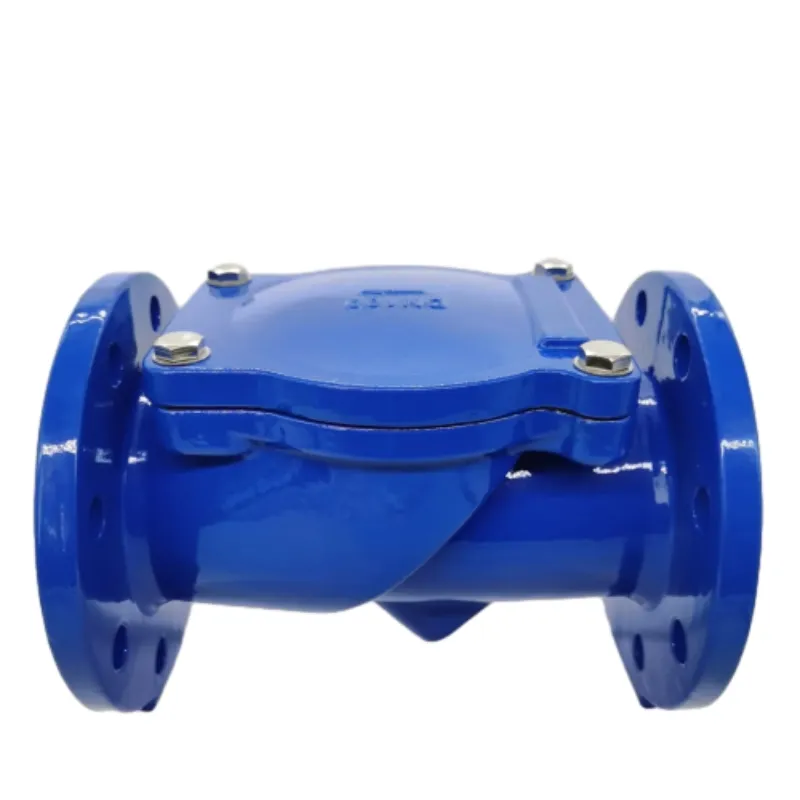
y type strainer price
Investing in the right industrial equipment is critical for maintaining operational efficiency, espe
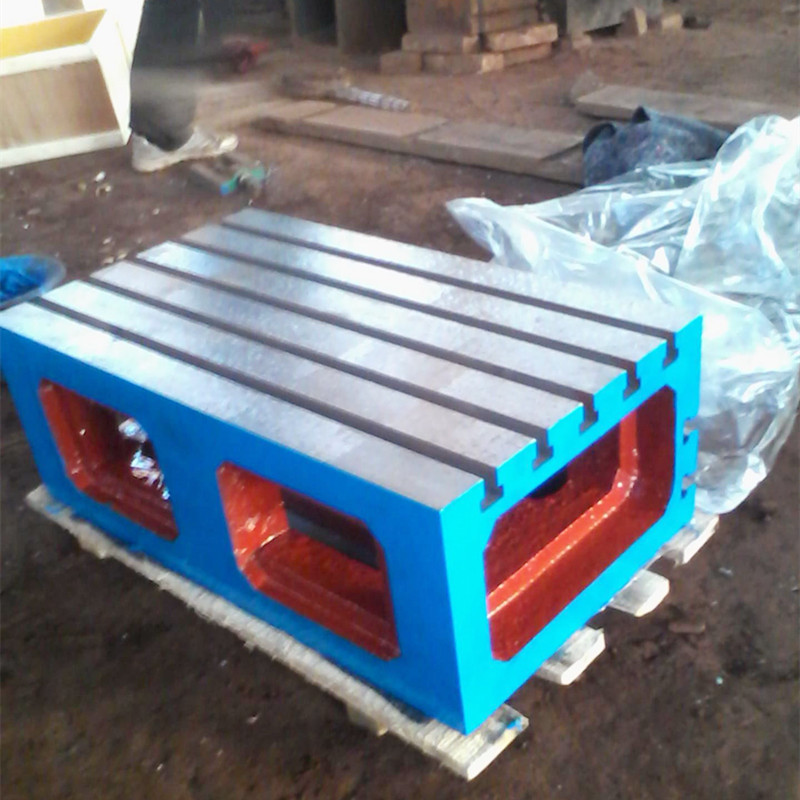
Various Types of Water Valves and Their Applications Explained
Understanding the Types of Water Valves A Comprehensive Guide Water valves are essential components

Welding Inspection Ruler for Accurate Joint Measurement and Quality Control
The Importance of Welding Inspection Rulers in Quality Control Welding is a critical process in nume
 English